Virginia Tech and Blacksburg Undergo Major Construction Overhaul
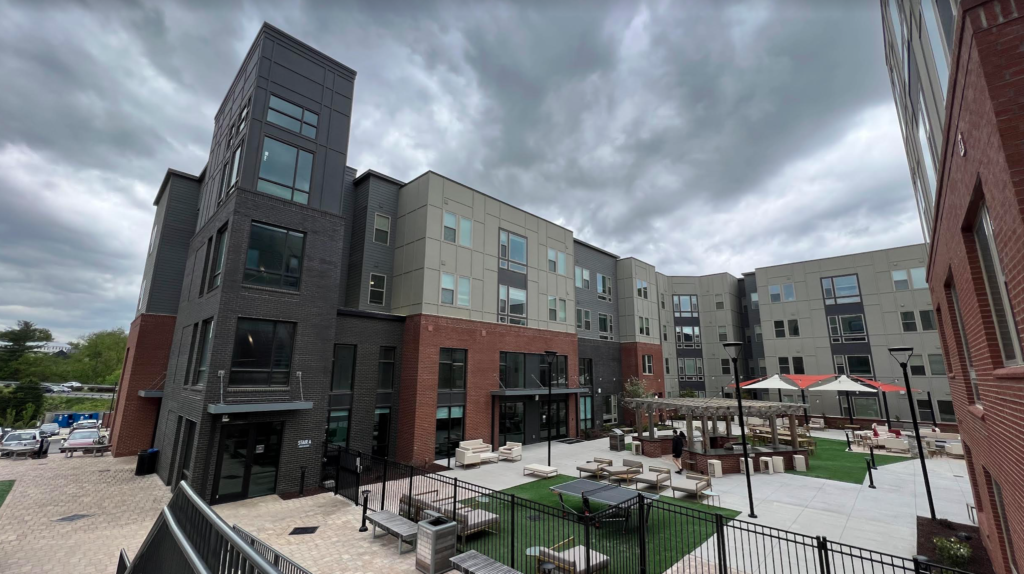
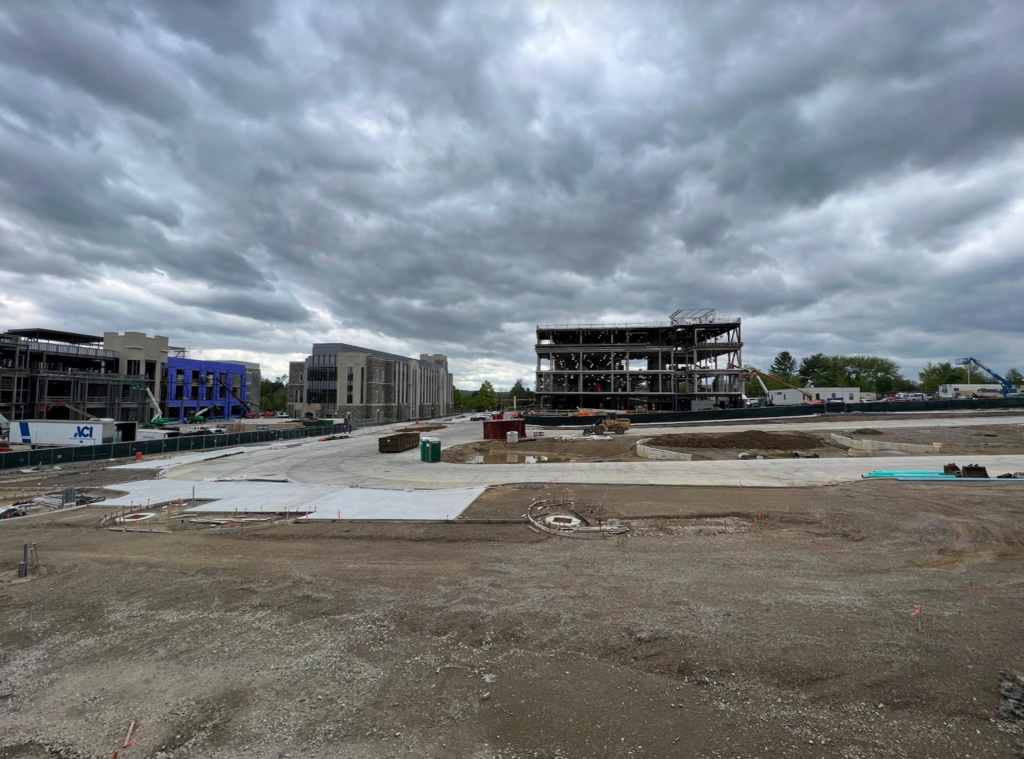
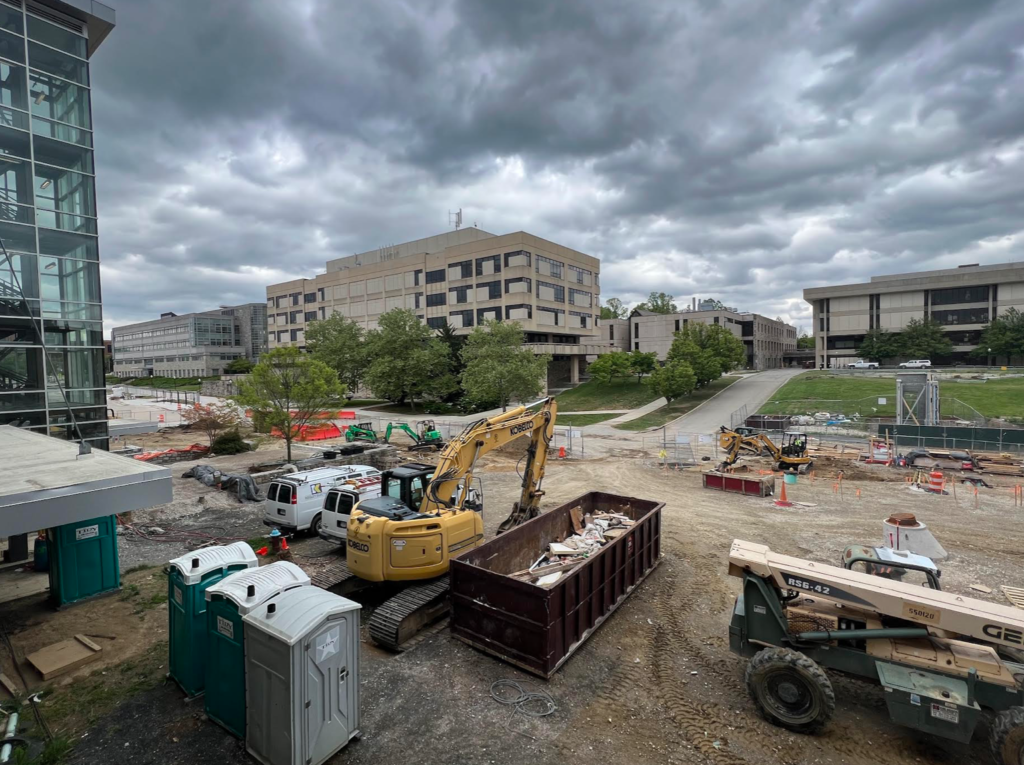
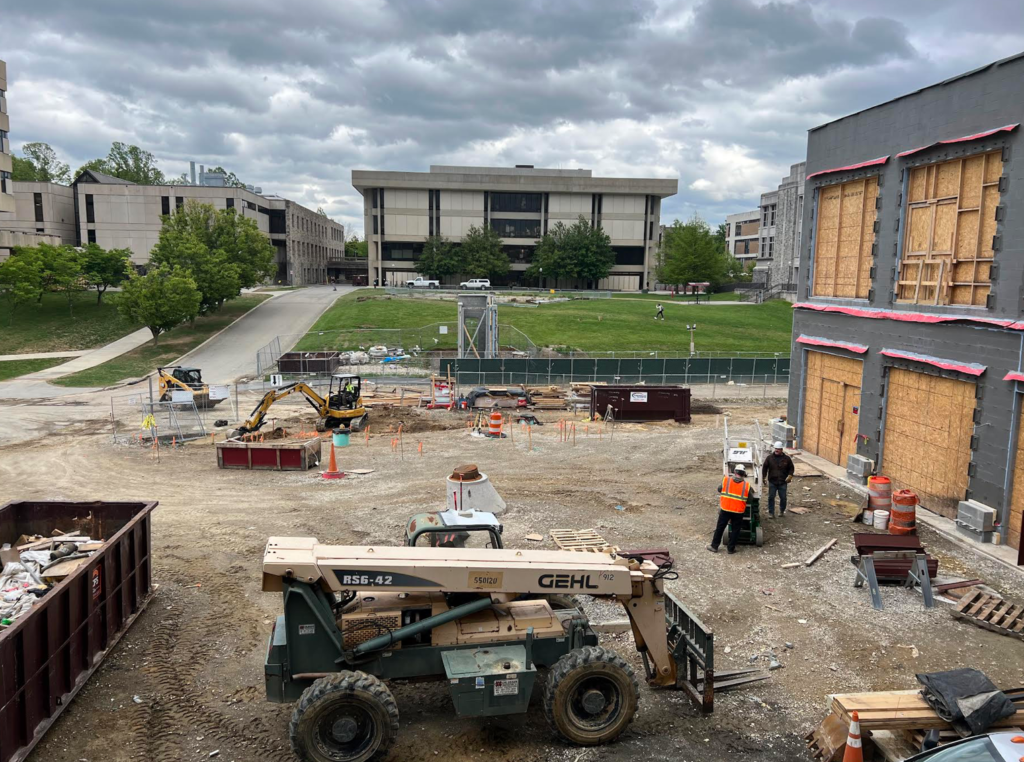
A flurry of new construction projects are underway in Blacksburg, Virginia, as the city continues to grow and expand. With the rapid-growth of the town, a mixture of on and off-campus developments are needed.
Blacksburg is seeing a significant amount of investment in the construction sector. One of the most significant projects is the Virginia Tech Destination Area which aims to redevelop approximately 250 acres of land around the Virginia Tech campus. The project includes a new Innovation Campus, which will focus on research and technology development, and is expected to cost $1 billion over the next decade of construction.
Some students, like Aman Saddy, a senior studying business, aren’t too worried about the new projects, but do not like the fact they won’t be completed for years to come.
“I haven’t noticed too much disruption from the construction projects, to be honest. It can be a bit noisy at times, but it’s worth it if it means we’re getting new and improved facilities. Sadly, most of us will not be here to enjoy them,” said Saddy.
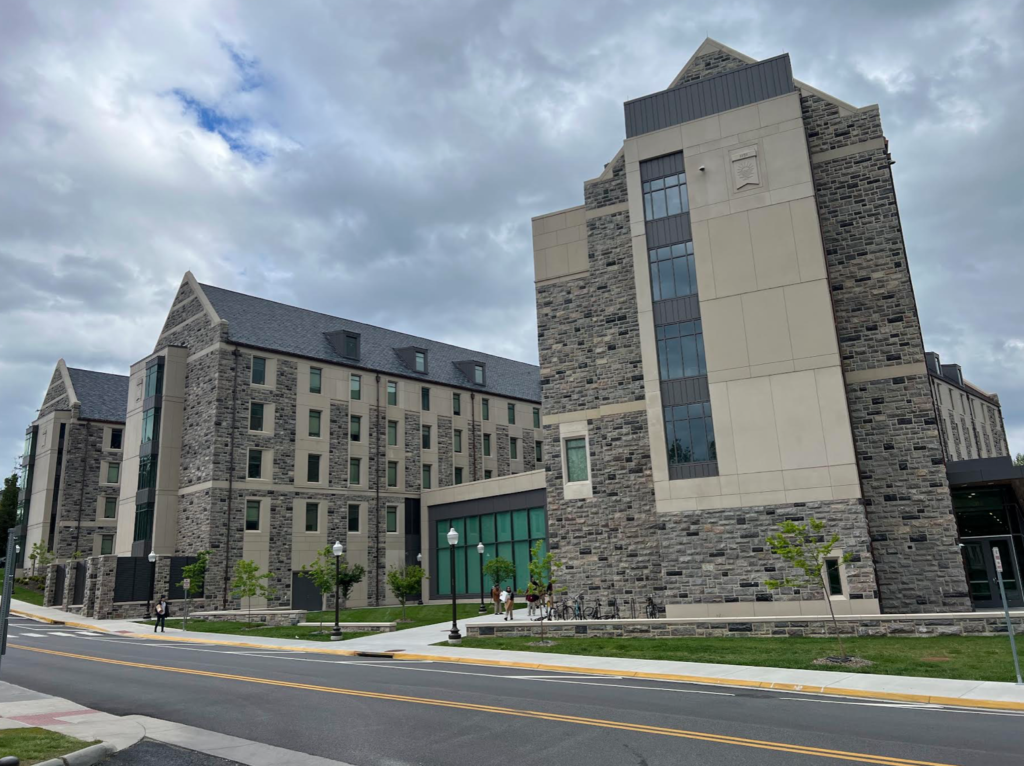
The university is also investing in several other construction projects, including the renovation of McComas Hall, which will include the addition of a new 200-meter indoor track, a new pool and a new fitness center. The project is expected to cost $100 million and will be completed by 2025.
Saddy suggests the on-campus gym was due for an update and that particular features seem intriguing: “The renovation of McComas is definitely needed. It’s a popular gym, on campus anyway, but it’s pretty outdated, and it’s really noticeable since COVID. The indoor track sounds like it will be used a lot.”
Off-campus, Blacksburg is also seeing a lot of construction activity. One project that has caused some controversy is the proposed development of a new apartment complex which has been met with opposition from some residents who are concerned about the potential impact on traffic and the environment. Despite the opposition, the project has been approved by the town council. Construction is expected to begin in 2023.
The town is also investing in pedestrian and bike-friendly infrastructure, with the goal of reducing the reliance on cars.
Anne McClung, the Director of the Blacksburg Planning and Building Department, said there is value in focusing on green infrastructure, but the regulations are not easily implemented or incentivized:
“Those conversations about sustainability happen through the zoning process. Typically, in Virginia, if you want something that’s above and beyond code requirements, often it needs to be incentive based,” said McClung. “They’re not baked into our regulations, because we don’t have much authority to do that, but we are trying to have that conversation because that is of value.”
Blacksburg is also investing in transportation and energy infrastructure projects to support the growing population. For example, the town recently completed the construction of a new water treatment plant, which will provide clean drinking water for residents. Additionally, the Blacksburg Transit system has recently expanded its services, adding new bus routes and increasing the frequency of service on existing routes.
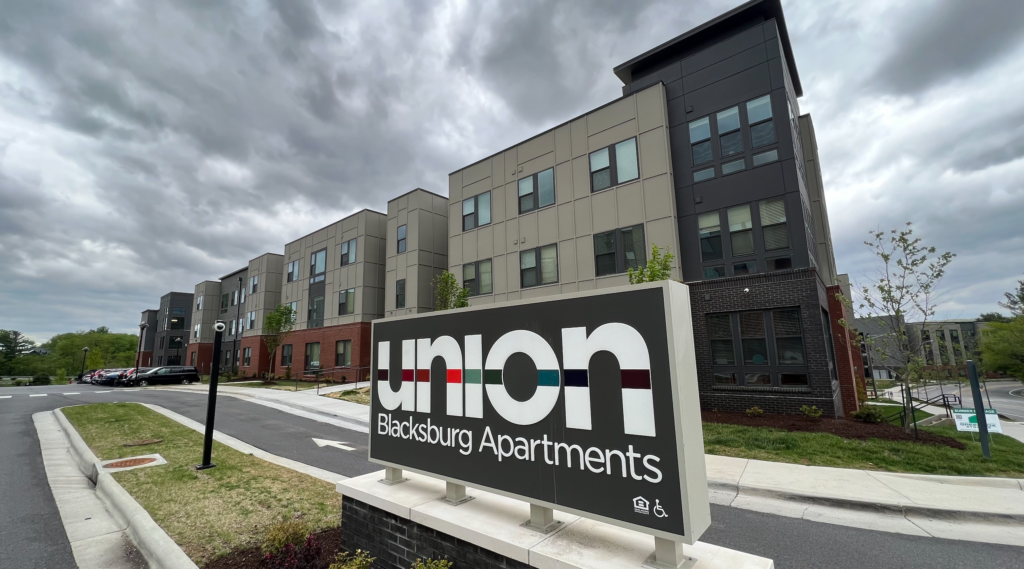
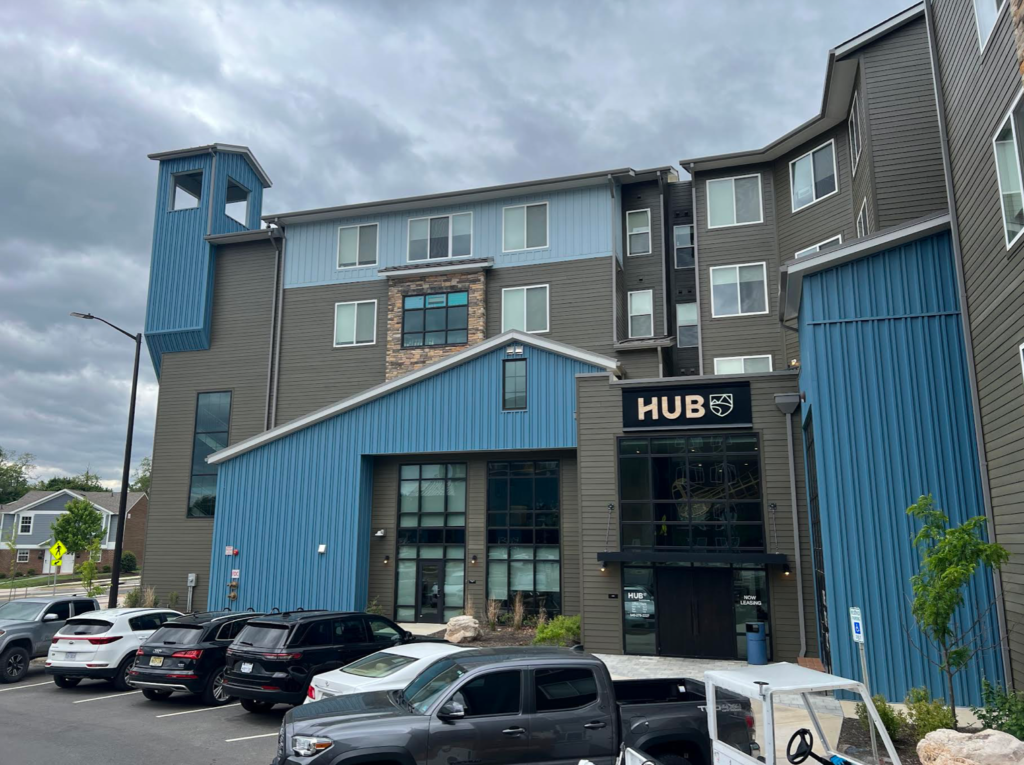
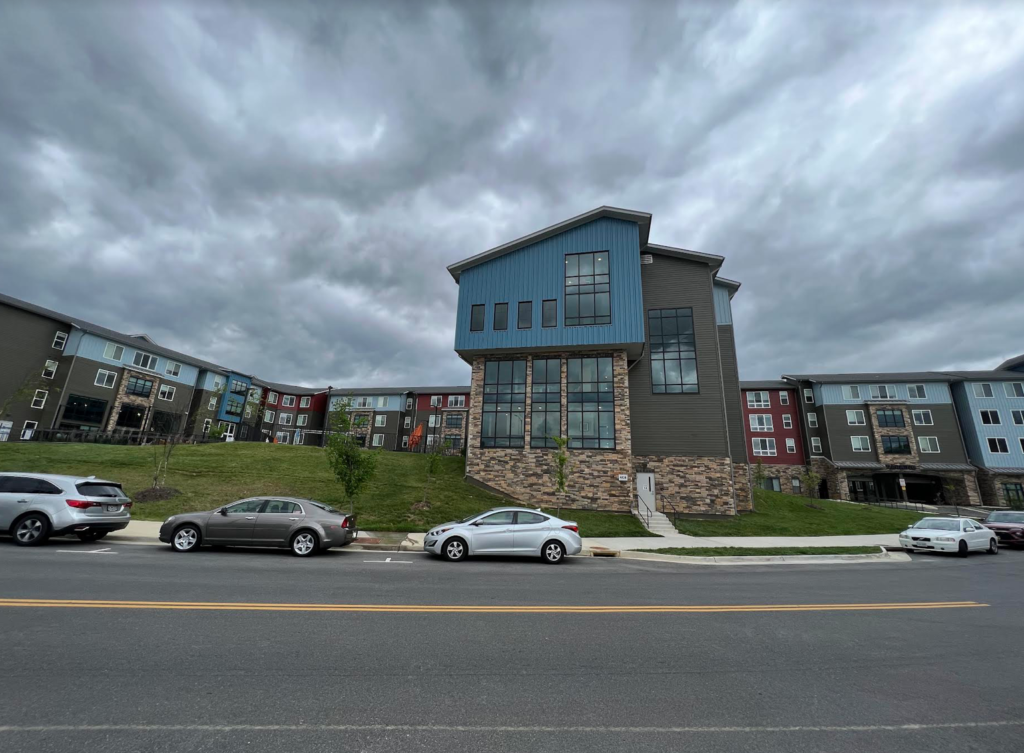
McClung suggests these new apartment complexes, including The Union and The Hub, are necessary in order to provide adequate housing for the rapid-growth of not only the student, but town population overall.
“The increase in density is about three fold. So if you look at somewhere like Terrace View, it was about 500 bedrooms, and what’s replaced there with The Hub is about 1500 bedrooms,” said McClung. “This past academic year in August, we had a little over 2200 beds of student housing become available.”
The construction projects in Blacksburg are expected to bring significant benefits to the town, including over 2,000 new jobs and billions of dollars in economic activity over the next few years.
